

Pain Reprocessing Therapy (PRT) in Canada
Reduce or Eliminate Chronic Pain & Symptoms by Retraining Your Brain and Nervous System
At Pain Psychotherapy Canada, we specialize in providing Pain Reprocessing Therapy (PRT) and other evidence-based psychological approaches to help people reduce or eliminate chronic pain, fatigue, dizziness, IBS, and other symptoms.
Research has shown that chronic pain and symptoms are not always caused by ongoing injury, damage, or disease in the body. Instead, symptoms can sometimes be generated or amplified by learned neural pathways and a sensitized brain and nervous system. This is commonly referred to as neuroplastic symptoms.
The good news is that when symptoms are neuroplastic, they can be reversed.
Through Pain Reprocessing Therapy, we help clients retrain their brains to interpret sensations more accurately, reduce fear surrounding their symptoms, and restore a greater sense of safety in their bodies. Our credentialed mental health therapists provide online Pain Reprocessing Therapy to clients in Alberta, British Columbia, Ontario, and other Canadian provinces where they are authorized to practice.
Book your FREE 20-minute consultation today!
What Is Pain Reprocessing Therapy?
Pain Reprocessing Therapy (PRT) is a psychological treatment developed to help people reduce or eliminate chronic pain and symptoms generated by learned neural pathways in the brain.
When we experience an injury, pain and symptoms serve an important purpose by alerting us to potential danger. However, sometimes the brain continues generating symptoms long after an injury has healed, or even when there was never ongoing tissue damage.
This can occur when the brain and nervous system become sensitized and begin interpreting normal, safe sensations as dangerous.
Over time, the brain can learn to associate certain movements, activities, emotions, or situations with pain and symptoms. These learned associations can perpetuate symptoms, even when the body is physically safe.

Pain Reprocessing Therapy helps reverse this process by teaching the brain to interpret these sensations as safe rather than dangerous.
Using education, somatic tracking, graded exposure, and other brain retraining strategies, clients can begin changing how their brains respond to physical sensations, reducing pain and symptoms over time.
Can Pain Reprocessing Therapy Actually Eliminate Chronic Pain?
Yes! Research has demonstrated that Pain Reprocessing Therapy can significantly reduce chronic pain, and some people experience complete or nearly complete recovery.
In a landmark randomized clinical trial published in JAMA Psychiatry, researchers examined the effectiveness of Pain Reprocessing Therapy for people experiencing chronic back pain1.
The results were promising:
66% of participants receiving PRT became pain-free or nearly pain-free following treatment.
98% of participants experienced at least some reduction in pain.
Many participants maintained substantial improvements at the one-year follow-up.
Brain imaging demonstrated changes in how the brain processed pain.
These findings support the understanding that chronic pain can sometimes be generated by learned neural pathways, and that these pathways can change through psychological treatment.
At Pain Psychotherapy Canada, our therapists have helped hundreds of clients work toward reducing their chronic pain and symptoms using PRT and other brain-based therapeutic approaches.
What Conditions Can Pain Reprocessing Therapy Help Treat?

Pain Reprocessing Therapy is primarily designed to treat neuroplastic pain and symptoms, which occur when the brain generates or amplifies symptoms in the absence of ongoing tissue damage sufficient to explain the symptoms.
It's important to recognize that not all chronic pain and symptoms are neuroplastic. A thorough medical assessment is important to identify conditions requiring medical treatment and determine whether a brain-based approach may be appropriate.
Many health conditions can be fully or partially neuroplastic 2,3:
Fibromyalgia
Chronic neck and back pain
Abdominal and pelvic pain
Irritable bowel syndrome
Non-ulcer dyspepsia
Headaches
Complex regional pain syndrome (CRPS)
Vestibular concerns and dizziness
Tinnitus
Chronic fatigue syndrome (CFS)
Postural orthostatic tachycardia syndrome (POTS)
Myofascial pain syndrome
Chemical sensitivities
Irritable bladder syndrome (interstitial cystitis)
How Does Pain Reprocessing Therapy Work?
Pain Reprocessing Therapy helps clients change how their brains interpret and respond to physical sensations.
When pain or symptoms have become associated with danger, people naturally begin responding to their symptoms with fear, worry, frustration, or avoidance. Although these responses are understandable, they can sometimes reinforce the brain's belief that the body is unsafe.
PRT helps interrupt this cycle through several strategies:
-
Our work begins with helping clients understand how the brain and nervous system can generate chronic pain and symptoms.
We explore signs that suggest symptoms may be neuroplastic, including inconsistencies in symptom patterns, symptoms that change depending on stress or emotional states, a history of trauma and adversity, a dysregulated response to symptoms, and symptoms that persists despite adequate healing time.
Understanding these patterns can help clients develop safer and more accurate beliefs about their bodies.
-
Somatic tracking is one of the primary strategies used in Pain Reprocessing Therapy.
During somatic tracking, clients learn to observe physical sensations with curiosity, mindfulness, and a greater sense of safety, rather than responding with fear or trying to immediately eliminate the sensations.
This helps the brain learn that certain sensations are not dangerous, gradually reducing the need to generate protective symptoms signals.
-
When people experience chronic symptoms, they often begin avoiding activities they believe will make their symptoms worse.
Walking, exercising, bending, working, or even sitting for prolonged periods may become associated with danger.
When these activities are medically safe, graded exposure helps clients gradually return to them while practicing new, safer responses to their physical sensations.
Over time, this can help break learned associations between everyday activities and pain.
-
Many people experiencing chronic pain and symptoms also develop fear-based responses to uncomfortable emotions such as anxiety, anger, sadness, and frustration.
When we begin viewing certain emotions as dangerous or overwhelming, we may try to suppress, avoid, or control them. Over time, these patterns can contribute to ongoing nervous system dysregulation and sensitization.
Our therapists help clients develop a greater sense of safety with their emotions, learning to experience and process difficult feelings without fear, avoidance, or the constant need to control them.
Our Approach to Pain Reprocessing Therapy in Canada

Our goal is not simply to help clients cope with or manage their chronic pain and symptoms.
We aim to help clients reduce or eliminate their symptoms, restore confidence in their bodies, and return to the activities and experiences they enjoy.
At Pain Psychotherapy Canada, we recognize that chronic pain and symptoms are complex, and that Pain Reprocessing Therapy is not always enough on its own.
Although PRT can be incredibly effective, many people also experience nervous system dysregulation, unresolved emotional stress, trauma, and other psychological or social factors that can contribute to sensitization.
That's why our therapists use a comprehensive treatment approach that incorporates Pain Reprocessing Therapy alongside Emotional Awareness and Expression Therapy (EAET), Somatic Experiencing, EMDR, Polyvagal-informed approaches, and other cognitive, somatic, behavioural, and trauma-focused therapies.
Our treatment focuses on five main areas:
Changing thoughts and beliefs: Helping clients develop safer and more accurate beliefs about their bodies and symptoms.
Brain retraining and graded exposure: Reducing fear-based responses to physical sensations and gradually returning to avoided activities.
Nervous system and emotion regulation: Learning to respond to emotions and physical sensations in ways that support nervous system safety.
Processing trauma: Addressing past experiences that may contribute to ongoing nervous system dysregulation and sensitization.
Increasing social safety: Improving relationships, boundaries, habits, and environmental factors that influence our sense of safety.
Why Choose Pain Psychotherapy Canada?
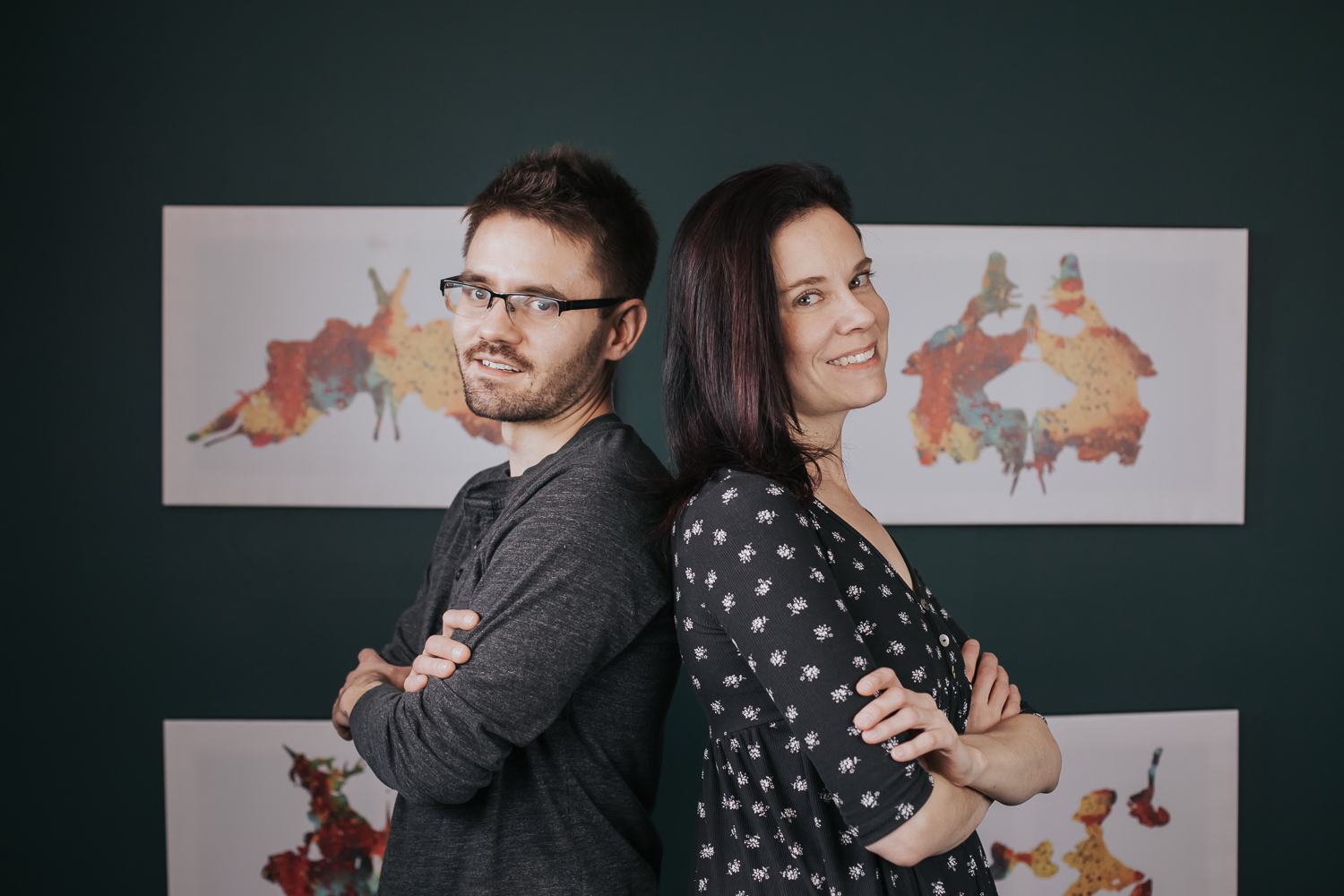
Pain Psychotherapy Canada is a Canadian psychotherapy clinic specializing in the psychological treatment of chronic pain and symptoms. Our therapists have extensive training and experience in Pain Reprocessing Therapy and other brain-based approaches to treating neuroplastic pain.
Our clinic is directed by Tanner Murtagh, MSW, RSW, a registered social worker and therapist who specializes in Pain Reprocessing Therapy, Somatic Experiencing, and other approaches to treating chronic pain and nervous system dysregulation.
After overcoming years of debilitating chronic pain himself, Tanner dedicated his clinical work to helping others understand and recover from neuroplastic pain and symptoms.
Today, our team helps clients across Canada access specialized treatment focused on changing the underlying processes contributing to their symptoms.
What sets our clinic apart?
Our therapists specialize in treating chronic pain and neuroplastic symptoms.
We integrate PRT with somatic, emotional, and trauma-focused therapies.
We focus on reducing or eliminating symptoms, rather than only managing them.
We offer virtual psychotherapy across multiple Canadian provinces.
We provide free educational resources through our YouTube channel, podcast, and website.
Our psychotherapy services may be covered by extended health insurance, depending on your plan and therapist.
Frequently Asked Questions About Pain Reprocessing Therapy
-
Yes! Pain Psychotherapy Canada provides Pain Reprocessing Therapy through virtual psychotherapy appointments. Our therapists work with clients in Alberta, British Columbia, Ontario, and other provinces where they are authorized to practise.
-
Yes. Pain Reprocessing Therapy can be delivered through virtual appointments. All of the strategies used in PRT, including pain education, somatic tracking, and changing fear-based responses to symptoms, can be practised from home with the guidance of a trained therapist.
-
The length of treatment varies depending on the person, their symptoms, and the factors contributing to their symptoms.
Some people begin experiencing improvements relatively early in treatment, while others require more time to change learned symptom patterns and address additional contributing factors.
-
Absolutely! Neuroplastic symptoms are real physical symptoms generated or amplified by the brain and nervous system.
All symptoms involve the brain and nervous system, and symptoms do not always indicate ongoing injury or damage to the body.
Experiencing neuroplastic pain and symptoms does not mean your symptoms are imagined, exaggerated, or intentionally created.
-
Although both approaches address psychological processes involved in chronic symptoms, their treatment goals and strategies can differ.
Traditional CBT for chronic symptoms often focuses on improving coping, functioning, and quality of life. PRT specifically aims to reduce symptoms by changing how the brain interprets physical sensations and perceived danger.
-
No treatment works for everyone. PRT has shown promising results for certain types of chronic pain, particularly primary chronic back pain, but more research is needed to understand its effectiveness across other conditions.
A careful assessment done by our therapy team can help determine whether PRT or another treatment approach may be appropriate.
Begin Pain Reprocessing Therapy in Canada
If you've been struggling with chronic pain or symptoms for months or years, and traditional medical treatments haven't provided the relief you were hoping for, a brain-based treatment approach may be worth exploring.
At Pain Psychotherapy Canada, we understand how exhausting and discouraging chronic symptoms can become.
Our therapists are here to help you understand what's contributing to your symptoms, develop a personalized treatment approach, and work toward getting your life back.
Book a FREE 20-minute consultation with one of our therapists to learn more about Pain Reprocessing Therapy and whether our approach may be right for you.
Clinically reviewed by Tanner Murtagh, MSW, RSW, Director of Pain Psychotherapy Canada. Registered Social Worker specializing in Pain Reprocessing Therapy, Somatic Experiencing, and the treatment of neuroplastic pain and symptoms.
Ashar, Y. K., Gordon, A., Schubiner, H., Uipi, C., Knight, K., Anderson, Z., Carlisle, J., Polisky, L., Geuter, S., Flood, T. F., Kragel, P. A., Dimidjian, S., Lumley, M. A., & Wager, T. D. (2021). Effect of Pain Reprocessing Therapy vs Placebo and Usual Care for Patients With Chronic Back Pain: A Randomized Clinical Trial. JAMA psychiatry, e212669. Advance online publication. https://doi.org/10.1001/jamapsychiatry.2021.2669
Clarke, D. D., & Schubiner, H. (2019). Introductions. In D. Clarke, H. Schubiner, M. Clarke-Smith, & A. Abbass (Eds.), Psychophysiologic disorders: Trauma informed, interprofessioal diagnosis and treatment (pp. 5-25). Psychophysiologic Disorders Association.
Arthur, Y. (2022, October 18). Anxiety and fear of symptoms keeps dizziness going- and how to break that cycle.Vestibular disorders association. Retrieved November 30, 2024 https://vestibular.org/blog/somatic-awareness/